
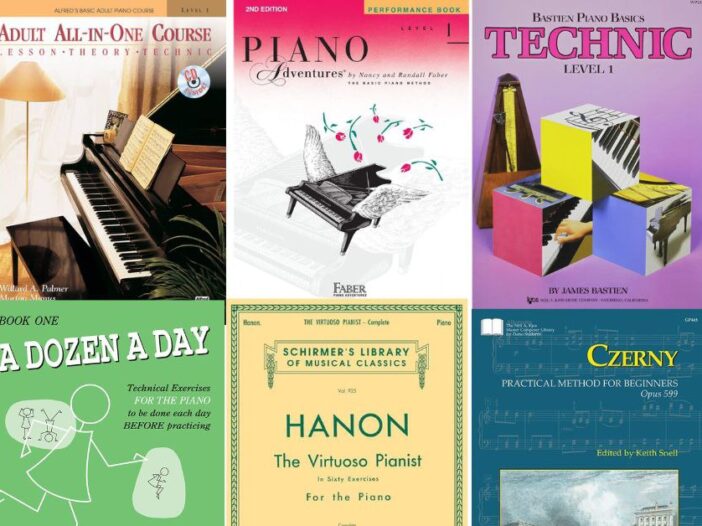
Whether you’re a complete beginner or a seasoned virtuoso, the right piano books are more than just paper; they’re the roadmap to your musical journey. The world of piano pedagogy blends classic finger-strengthening exercises with modern method books that make learning engaging and rewarding.
But with thousands of titles on the shelf, how do you choose the right one? Let’s break down the most essential piano books for every stage of your progress.
Best Piano Books for Beginners
If you’ve never touched a keyboard before, you need a method book. These are designed to teach you how to read music and navigate the keys step by step.
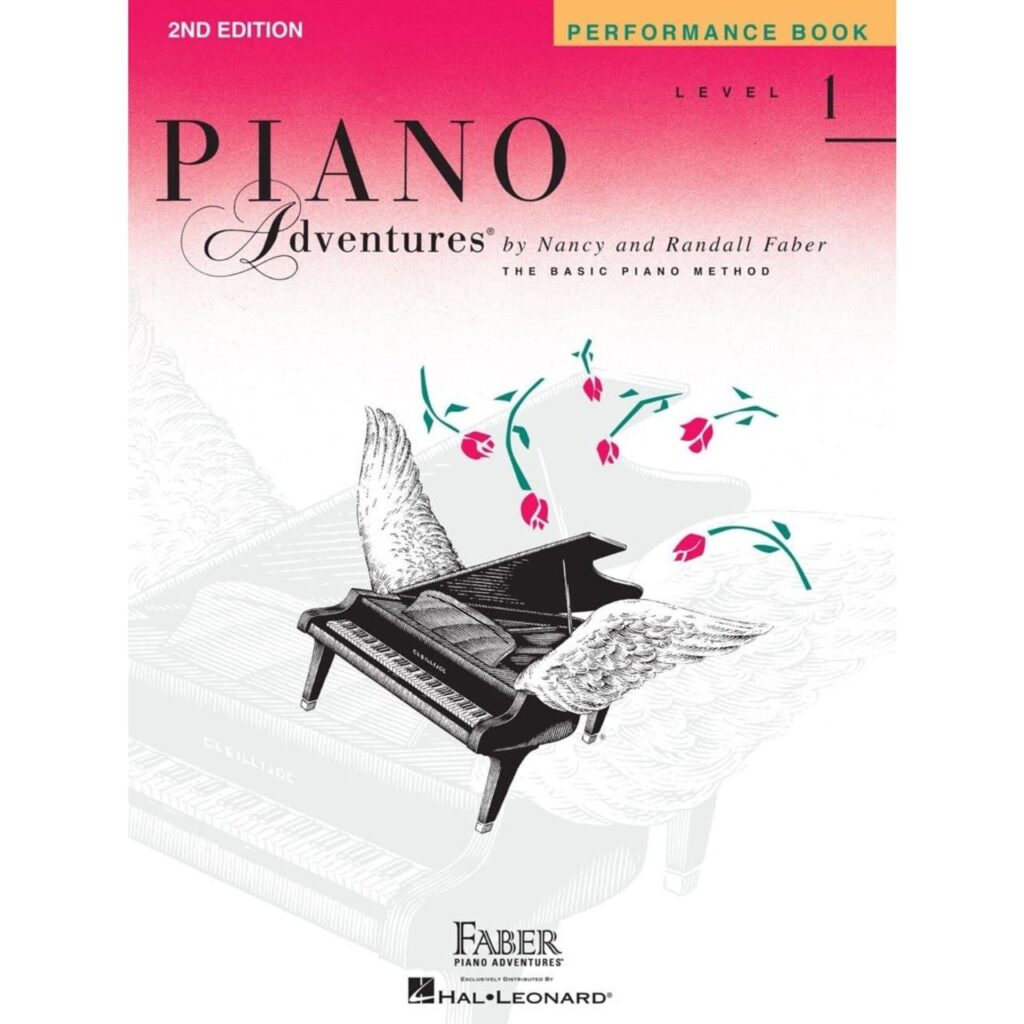
Faber Piano Adventures
Often cited as the gold standard for teachers, it uses a “discovery” approach that encourages students to explore the piano rather than just memorizing notes.
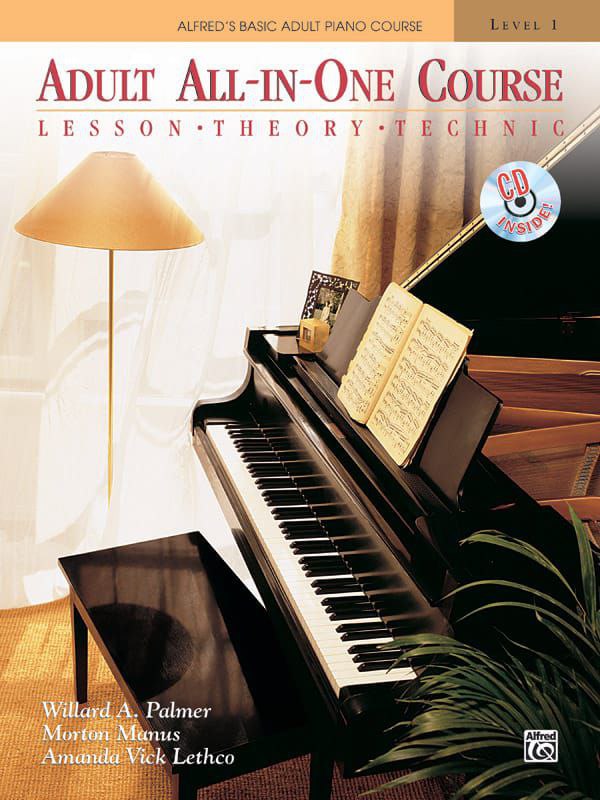
Alfred’s Basic Adult All-in-One Course
A top choice for adult learners, this book combines lessons, theory, and technique into a single volume, keeping your practice streamlined.
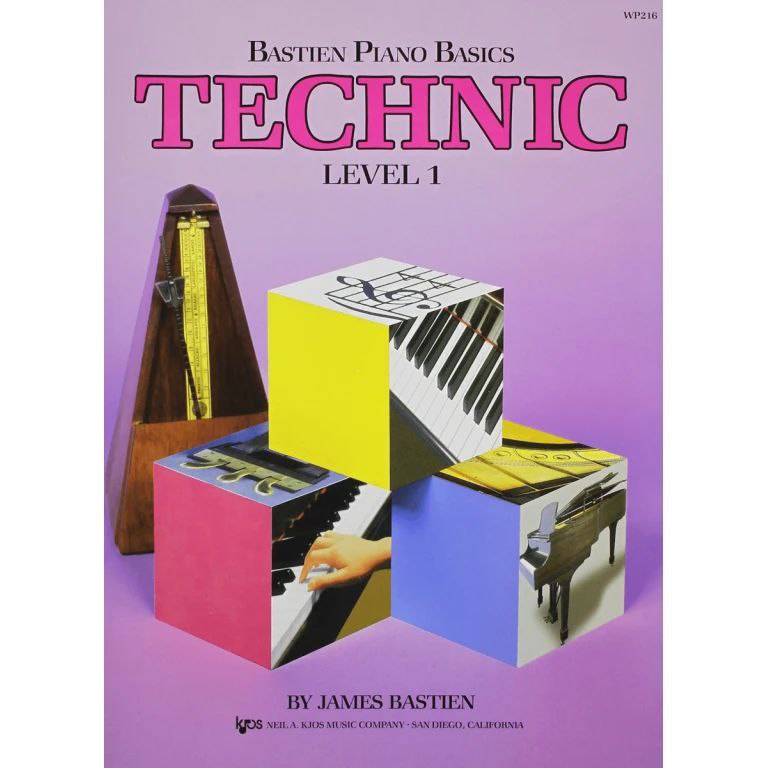
Bastien Piano Basics
Ideal for younger children, these books use logical sequencing and engaging layouts to motivate kids without overwhelming them.
Technique Builders: The Gym for Your Fingers
Once you know the notes, you need the physical dexterity to play them with expression. These books serve as the “strength training” of the piano world.
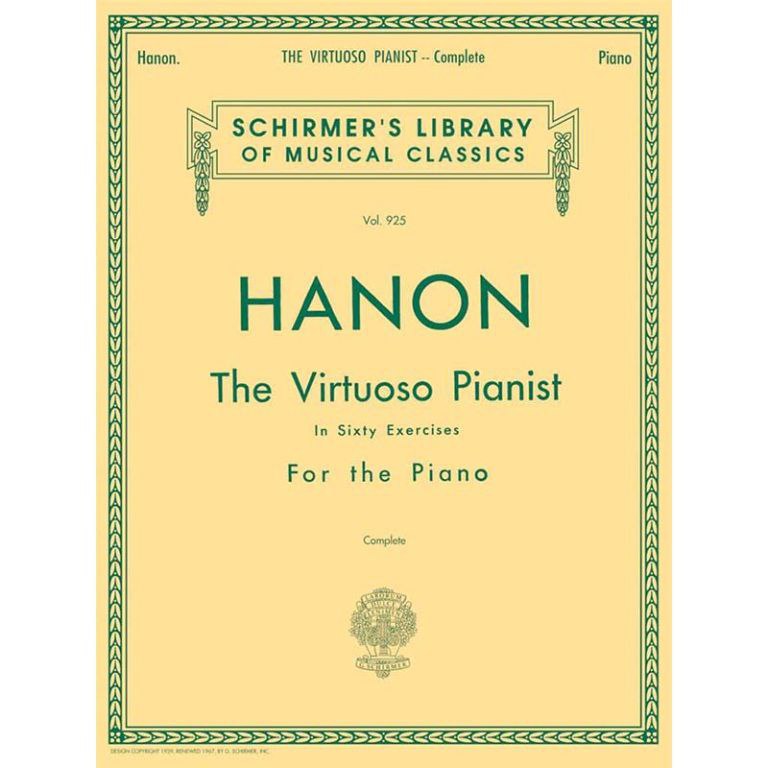
Hanon: The Virtuoso Pianist
A classic since 1873, Hanon’s 60 exercises are designed to build speed, precision, and finger independence, essential for professional-level agility.
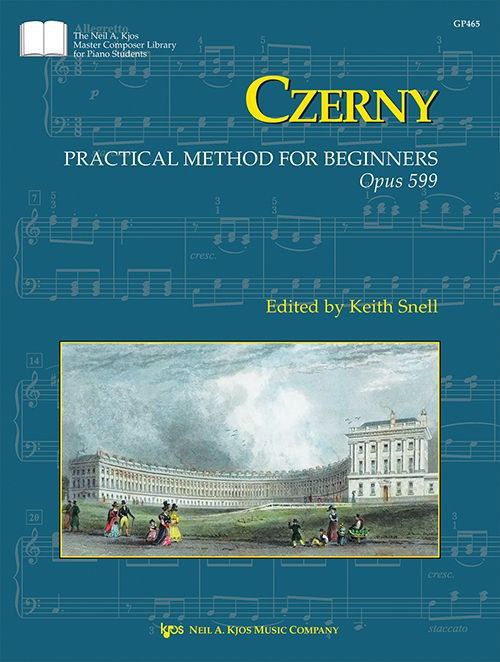
Czerny: Practical Method for Beginners (Op. 599)
Less repetitive than Hanon, Czerny’s exercises are more melodic, making technical practice feel like performing music.
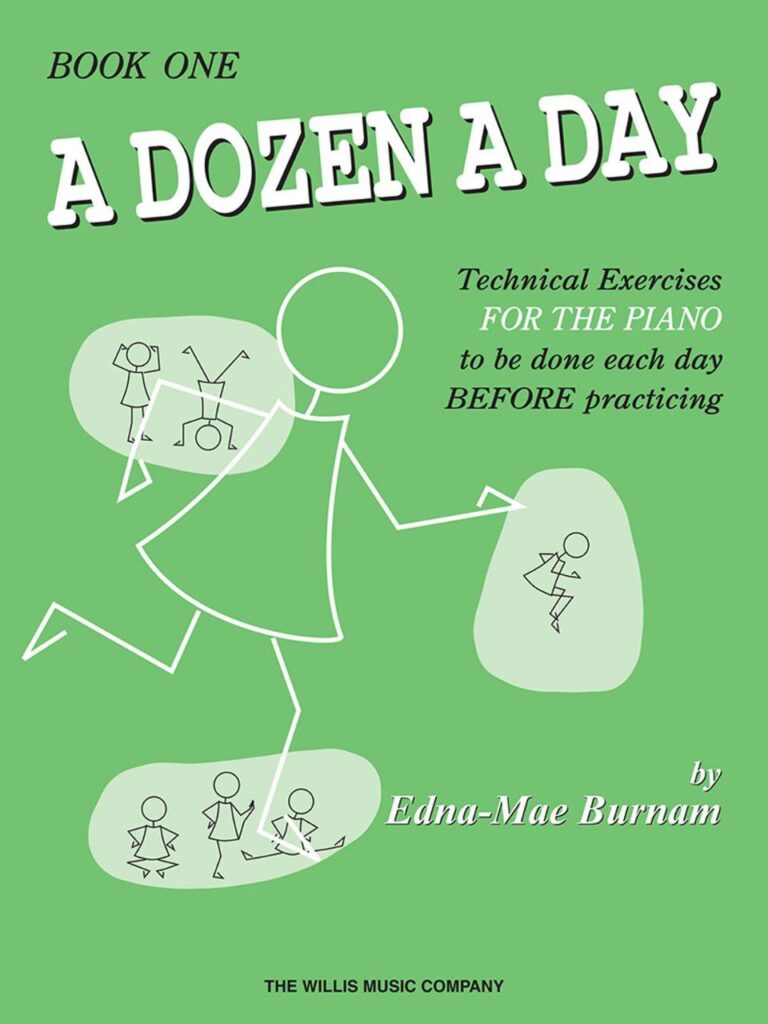
A Dozen a Day (Edna Mae Burnam)
A fantastic series for all ages that focuses on short daily warm-ups to improve touch and prevent injury.
Essential Songbooks and Repertoire
You didn’t start playing piano just to practice scales; you want to play music! Expanding your library across genres keeps practice exciting.
- Classical Standards: Collections like 100 of the Most Beautiful Piano Solos Ever or the Schirmer Library editions offer authentic scores of Bach, Beethoven, and Chopin.
- Jazz and Improvisation: The Easy Fake Book is perfect for learning lead sheets and experimenting with chords and improvisation.
- Pop and Contemporary: The Hal Leonard series offers “Easy Piano” arrangements of modern hits, allowing beginners to play recognizable songs early.
How to Choose the Right Piano Books
Before buying, consider these three factors to ensure the book fits your lifestyle:
1. Your Goals: Do you want to play pop songs at gatherings, or master the classical greats?
2. Learning Style: Do you prefer visual diagrams and illustrations (like Faber), or a more text-heavy, academic approach?
3. Self-Teaching vs. Teacher-Led: If you’re learning solo, “all-in-one” books are usually better, as they provide theory and context you might miss without an instructor.
Final Thoughts
Finding the perfect piano book is the first step toward a lifetime of musical fulfillment.
Whether you prefer the structured path of a method book or the creative freedom of a jazz fake book, the right resource will keep you inspired and improving consistently.
For more guidance, check out high-authority resources like Faber Piano Adventures for method insights, browse the extensive catalog at Alfred Music, or use free supplemental theory tools at MusicTheory.net.
Leave a Reply
You must be logged in to post a comment.